
2026-09-08
China Tries To Make Heritage Products Trendy
China is leaning on its cultural heritage to jolt sluggish domestic spending, rolling out a push to modernise industries ranging from silk and tea to liquor, ceramics and traditional Chinese medicine.
Authorities laid out plans to cultivate 50 leading enterprises in heritage industries, each with a scale of at least 10 billion yuan ($1.49 billion), by 2028, according to a statement released on Monday by six government departments.
“Many classic products are perceived as somewhat outdated and struggle to capture the attention of young people,” said Xie Yuansheng, vice-minister of industry and information technology, at a press conference in Beijing on Monday. The goal is to make heritage products “trendy” and appealing to both young people in China and abroad, Xie said, adding that officials would support collaboration between these industries and prominent designers, brands and fashion companies.
The push comes as policymakers seek new levers to stimulate household spending, which remains constrained by a battered property sector and soft labour market. Retail sales grew just 0.6 per cent in July, missing forecasts and coming in lower than the 1 per cent recorded in June.
Heritage products are the latest in a line of sectors targeted by authorities, following similar policy efforts in the sports, winter tourism and nightlife industries.
Early efforts to modernise traditional sectors so they appeal to younger consumers already look promising.
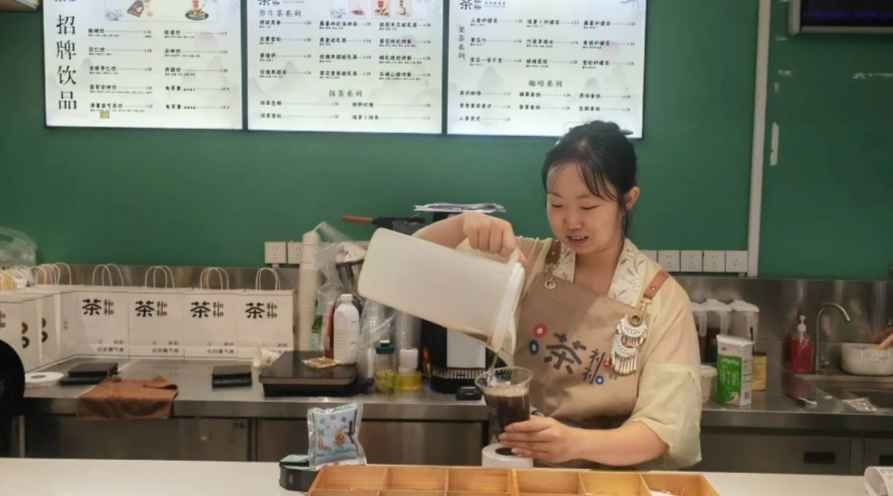
In recent months, bars across China serving traditional Chinese medicine-infused beverageswhere drinks are sometimes customised following pulse-reading consultations – have gone viral on social media. Some ceramic and woodcarving products have also seen rising popularity following the release of the blockbuster video game Black Myth: Wukong in late 2024.
Meanwhile, these products are also beginning to garner attention abroad. Driven by social media trends like “China-maxxing” – where international users adopt Chinese lifestyle habits ranging from drinking hot water and tea to practising traditional qigong exercises – visibility for Chinese heritage has grown significantly.“[Heritage products] meet material needs while also bringing emotional resonance, cultural enrichment and aesthetic enjoyment,” Xie said.
Under the latest plan, authorities pledged to support scenic spots and shopping districts in setting up creative markets and interactive exhibitions, and encouraged live-streaming and short-form video platforms to market heritage industries and drive sales.
Officials will also promote expansion into duty-free stores, and appoint prominent figures as overseas brand ambassadors to raise the profile of Chinese heritage goods abroad.
Source: QATAR TRIBUNE