
2026-10-06
China, Vietnam Build Trade Links To Weather US Tariff Pressure
Neighbouring China and Vietnam, two manufacturing giants, are building out railways, adding flights and boosting cargo links to leverage their geographic proximity for another boost in trade and tourism that will help both weather pressure from the US.
The two countries set aside political disputes last year to step up economic ties, and analysts said they were now improving both the quality and quantity of transport links.
“Overall, I see the China-Vietnam connectivity story moving from relatively simple border trade towards a much more integrated manufacturing, logistics, tourism and supply chain corridor,” said Jack Nguyen, Vietnam CEO of business services platform Ascentium. The economies of both countries rely heavily on manufactured exports to other countries – the United States, around Asia and in Europe.
China also supplies raw materials to Vietnamese plants, and Vietnam ships electronics and machinery in the other direction.The Vietnamese government has launched a US$320 billion investment plan covering transport and logistics through to 2030, Swiss private banking group J. Safra Sarasin said in a research note released last month.
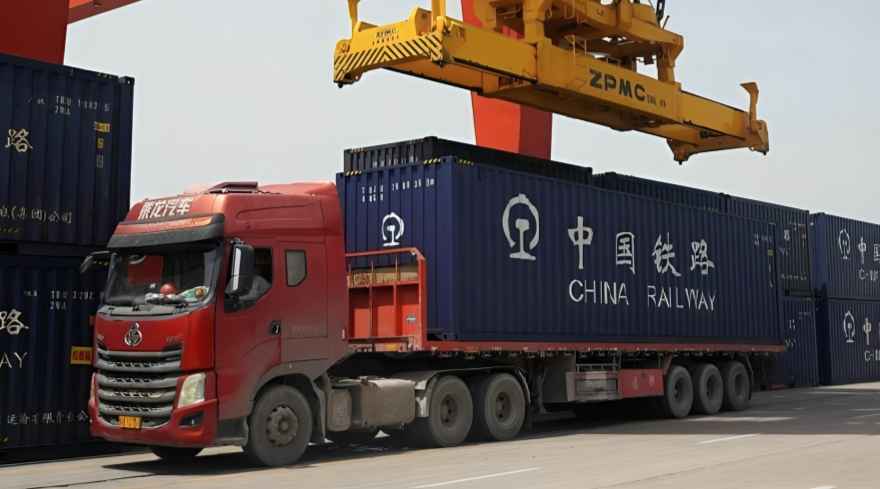
American tariff increases since April 2025 have made trade with the US more expensive, and Washington is scrutinising Vietnam’s potential use as an export transshipment route from China, where tariffs may be higher.“I would say there is a growing element of hedging,” Nguyen said. “As US tariffs and non-tariff barriers create more uncertainty, Vietnam and China have strong incentives to deepen their transport, supply chain and trade links and diversify their markets.” China and Vietnam have made progress this year on three railway lines that promise to increase freight shipments and passenger trips across their 1,297km (806 mile) land border.
In August, Vietnam added $3.36 billion in funding for the construction of the standard-gauge Lao Cai-Hanoi-Haiphong line, which would synch up tracks in the two countries by 2030, Xinhua reported.For the separate Haiphong-Ha Long-Mong Cai line, the two countries agreed in March on a technical assistance project for the railway’s standard gauge, according to Vietnam’s Ministry of Construction.
The ministry is also finalising an investment outline and pre-feasibility study this year for a US$5 billion Hanoi-Dong Dang railway project due to be rolled out in 2035.
China and Vietnam expected railways to reduce congestion at highway border crossings and promote tourism, said Carl Thayer, an emeritus professor at the University of New South Wales who has long studied Vietnam.
Nguyen said the projects were intended to create “more efficient” supply-chain corridors, cut logistics costs and reduce transit times while linking Vietnam’s manufacturing base and ports more directly with China’s extensive rail network.Winnie Lam, a veteran business adviser based in Ho Chi Minh City, said railway links at two border crossings currently used older infrastructure and narrow-gauge systems. Railway trips were “not too common” due to the different track standards, she said.
To further facilitate trade, a logistics arm of Hong Kong Air Cargo Terminals Ltd said last month it would extend its SuperLink China Direct service to Vietnam. The extension would give Vietnamese enterprises a “more convenient and cost-effective logistics and air-road intermodal solution” for shipments to or from China, Hong Kong Air Cargo Industry Services said, adding that it had already set up a trial scheme.
A record 8.6 million passenger seats are available on China-Vietnam flights this year, up from 7.7 million last year, according to aviation market intelligence firm OAG.
Vietnam received about 5.3 million mainland Chinese visitors last year, Xinhua reported, up more than 40 per cent year on year.The Vietnamese government said China was the country’s largest source of foreign tourists last year and in the first half of this year, when about 2.7 million visitors arrived.
Source: QATAR TRIBUNE