
2026-11-09
China Weighs Sugar Tax on Sweetened Beverages
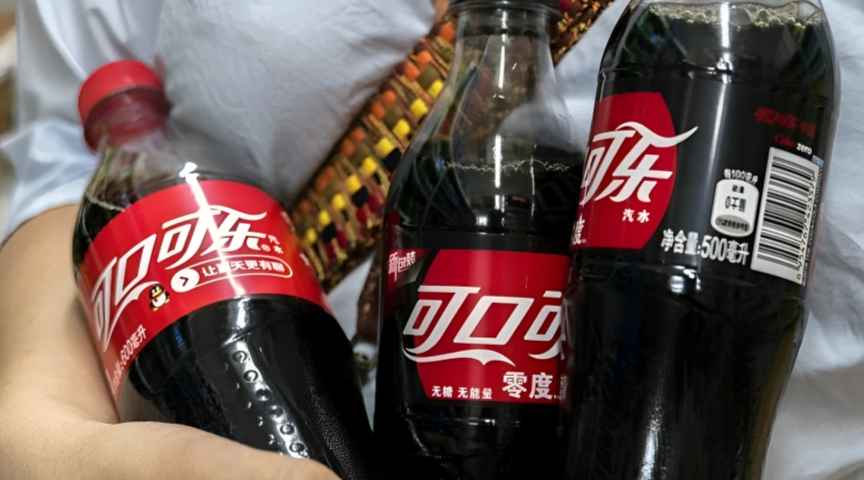
China has been urged to stop keeping beverage makers sweet and instead declare war on sugar-rich drinks through taxation, as the country moves to align its regulatory framework with global health promotion trends.
A sugar tax has been proposed by experts and state media outlets, who argue that an ongoing overhaul of consumption taxes provides an ideal opportunity to wean consumers off the sweetener, which has been linked to increased risks of obesity and type 2 diabetes.
People’s Daily, the Communist Party’s mouthpiece newspaper, has been among the voices calling for action, running articles in recent months discussing the pressing need for such a tax and practical steps towards its implementation. “A sugar tax is the prevailing trend,” it said in a report published in July. “The state can begin with careful study and pilot programmes, like a tiered regime based on volume: higher rates for high-sugar content.”
An op-ed earlier in the year lamented how easy it was for people to find high-sugar drinks: “When more than 110 countries have various sugar taxes, sugar-sweetened beverages remain ubiquitous in China and their prices remain too low.” Drink makers in the world’s second-largest economy will no longer be able to hide the sugar content of their products when an updated nutrition information regulation comes into force in March.
Compulsory labelling will cover sugar and saturated fat content, bringing domestic rules in line with those in developed economies. The move has fuelled expectations a sugar tax could be in the making as Beijing gets more serious about keeping people’s blood glucose low, with consumption tax reform offering readily available means.
In the government work report delivered to the country’s top legislature in March, Premier Li Qiang confirmed a plan to optimise the “scope, rates and collection” of consumption taxes.
Such taxes are currently levied on 15 categories of goods, with tobacco, alcohol and cars contributing the bulk of the 1.68 trillion yuan (US$251.84 billion) in revenue they raised last year.
A sugar tax as part of an expanded suite of consumption taxes could save lives and boost government income, according to experts.
“A sugar tax requires policymakers to move beyond a single-sector perspective for coordination across tax, health and industrial policies,” Fu Hongqiao, a professor at Peking University’s school of public health, told People’s Daily.
A paper he wrote that was published in The Lancet, a prestigious medical journal, last year said 1.35 million lives would be saved in China by 2050 if the prices of sugary drinks, tobacco and alcohol were increased by 20 per cent.
Zheng Rong, a professor who focuses on health taxes at the University of International Business and Economics (UIBE) in Beijing, told a recent forum the government could rake in between 170 billion yuan (US$25.48 billion) and 236 billion yuan in annual revenue if sugar-rich beverages were covered by consumption taxes and their retail prices rose by 20 to 30 per cent.
Source: QATAR TRIBUNE