
2026-08-18
China’s Retail Sales, Factory Output Slow in July
China’s retail sales and factory activity grew at a slower pace in July, official data showed Monday, missing forecasts and highlighting persistent pressure on the world’s second-largest economy. Figures released by the National Bureau of Statistics (NBS) showed retail sales grew 0.6 percent, well below the 1.5 percent forecast in a Bloomberg survey and down from the 1 percent increase seen in June.
The NBS figures also showed industrial production growth slowed to 4.5 percent year-on-year in July, down from 5.3 percent the month before and short of the 5 percent forecast in the same survey. In another sign of the challenges facing the government, fixed-asset investment in January-July fell 6.7 percent year-on-year, the bureau said.
“In July, international geopolitical conflicts persisted and the global energy market was characterized by significant instability and uncertainty,” NBS spokesman Fu Linghui told a news conference Monday.
Also noting the impact of severe weather last month in some Chinese regions, Fu said authorities had “actively addressed internal and external risks and challenges”.
China’s leaders have battled sluggish spending in the domestic economy since the end of the COVID-19 pandemic, as weak demand threatens overall growth even while exports and certain high-tech sectors boom. Beijing is targeting national growth of 4.5 to 5 percent this year, the lowest official goal in decades, but the economy fell short of that in the second quarter.
“The weak economic data indicate that the economy faces further downside risks that require more effective policy response,” wrote Pinpoint Asset Management President and Chief Economist Zhiwei Zhang. “The Politburo meeting in late July promised stronger fiscal spending, but the implementation and transmission likely takes time,” Zhang said.
Many economists contend that China must shift toward a growth model driven more by household spending than the traditional engines of past decades, including real estate and infrastructure investment.
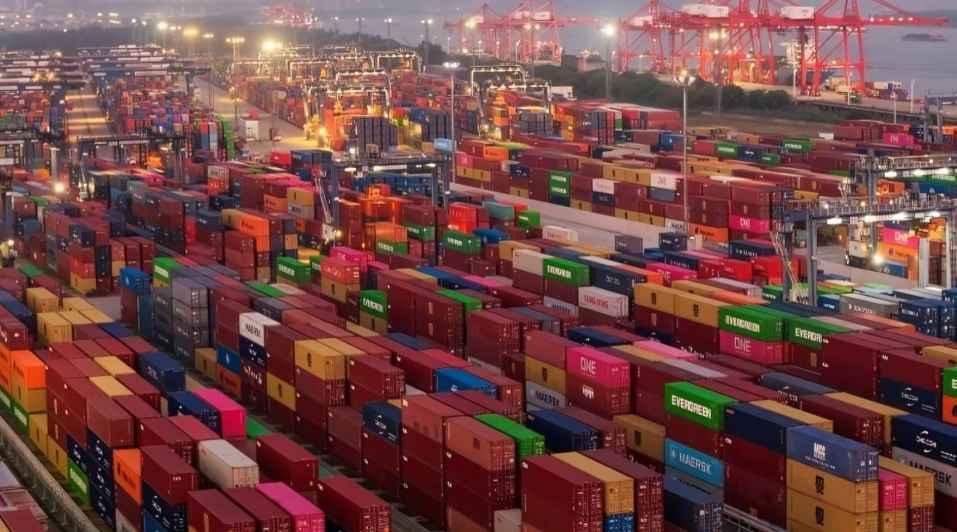
Trade data for July released this month showed exports and imports soaring, boosted by increased overseas demand for artificial intelligence (AI)-related tech products.
The surge in exports has helped China’s vast manufacturing sector through the prolonged slump in domestic spending.
Source: QATAR TRIBUNE