
2026-08-09
India Says UPI Payments Will Remain Free for Users
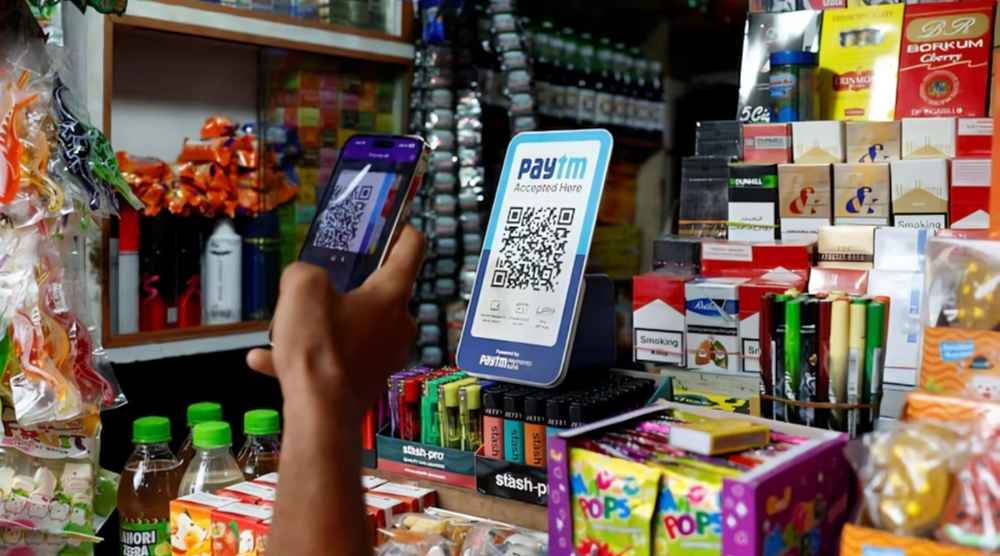
India’s government has clarified that users will continue to make free payments through the country’s widely used United Payments Interface (UPI), despite speculation that charges could soon be introduced.
The Finance Ministry said on Saturday that person-to-person UPI transfers will remain free. Payments made by users to businesses will also not carry a direct charge.
However, the government said a “nominal” Merchant Discount Rate (MDR) could be introduced for a limited number of business transactions if Parliament approves proposed changes to the law.
MDR is a fee paid by a business to banks for processing digital payments. The fee is generally deducted from the transaction amount and shared between the banks involved, rather than being charged directly to the customer.
The government said any future MDR would be “threshold-based and not blanketly levied”, suggesting it would apply only to certain transactions above specified limits. It did not, however, provide details on what those thresholds would be.
The proposed changes are part of the Taxation and Other Laws (Amendment) Bill, 2026, which is currently before Parliament. If approved, an NPCI-led committee would decide whether MDR should be introduced and how it would apply.
India introduced zero MDR for UPI and RuPay debit-card transactions in 2020 to encourage digital payments. The government has since reimbursed payment companies and banks to support the UPI system.
The government said the proposed amendment is intended to support the expansion and long-term sustainability of the digital payments ecosystem.
The issue has become increasingly important as UPI transactions have grown rapidly across India. The Payments Council of India had previously warned that the cost of maintaining the system was significantly higher than government subsidies.
The Finance Ministry did not confirm reports that any future MDR would apply specifically to transactions above 2,000 rupees.
For now, the government’s message is clear: consumers will not have to pay a fee for using UPI, although businesses handling certain transactions could eventually face a small processing charge.
Source: QATAR TRIBUNE