
2026-07-30
Mideast Stocks: Saudi Stock Gauge Leads Gulf Losses on Rising Regional Tensions
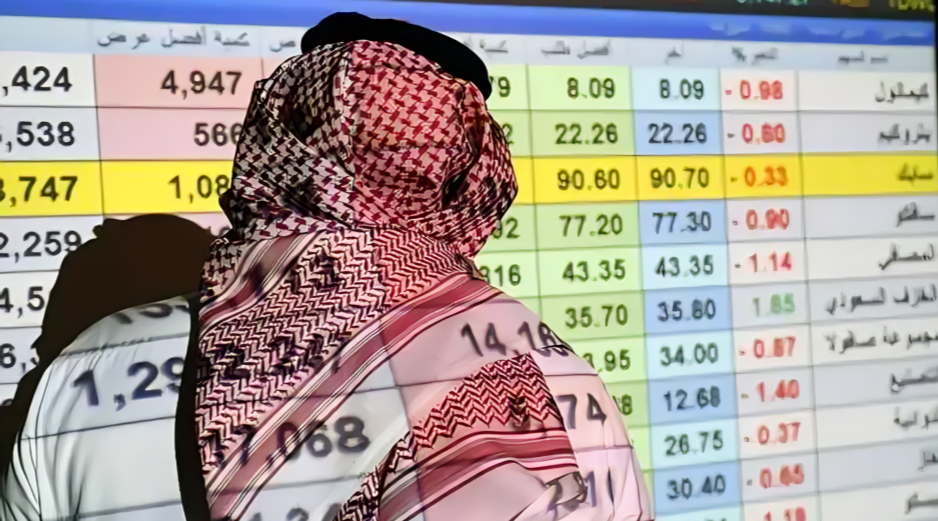
Major Gulf markets slipped in early trade, with the Saudi benchmark falling the most in three months, on Wednesday as regional tensions intensified following joint U.S.-Saudi strikes in Iraq and the interception of Iranian missiles targeting U.S. forces.
Saudi Arabia, working with U.S. Central Command, struck Iran-backed groups in Iraq blamed for drone attacks on its oil facilities, hours after U.S. forces said they had thwarted a surprise Iranian attack on troops in the region.
Tehran's rejection of Oman's Strait of Hormuz proposal further dimmed hopes of easing the months-long trade disruption.
Saudi Arabia's benchmark index declined 1.3% - its biggest intraday fall since early April - dragged by a 3.9% plunge in the country's top lender by assets, Saudi National Bank.
Elsewhere, oil major Saudi Aramco eased 0.3%. Visible crude loadings from Yanbu, a major Saudi industrial city and Red Sea port, fell at least 30% last week after the Houthi blockade, Kpler and AXSMarine data showed, though energy and freight analytics provider Vortexa said exports were broadly stable due to increased "dark" tanker activity. The decline followed Saudi Aramco's July 27 shutdown of its 400,000-bpd Jizan refinery after a Houthi attack.
On the other hand, dual-listed Americana Restaurants International, the MENA franchisee of KFC and Pizza Hut, surged 8.1% in Riyadh after reporting a sharp jump in quarterly net profit. Its Abu Dhabi-listed shares rose 7.3%.
Dubai's main share index eased 0.1%, while the Abu Dhabi index was flat.
In Qatar, the index lost 0.3%, with the Gulf's biggest lender Qatar National Bank losing 0.9%.
Investors now await the U.S. Federal Reserve's 1800 GMT policy decision and Chairman Kevin Warsh's remarks soon after for signals on inflation and the rate outlook. Gulf markets are particularly sensitive to U.S. monetary policy given their currencies' dollar pegs.
Source: ZAWYA