
2026-08-20
Mideast Stocks: UAE Stocks Fall After Missile Scare
BENGALURU - UAE's stock markets fell in early trading on Wednesday after the country said it detected two ballistic missiles launched from Iran, while other Gulf bourses were subdued after Washington said there were no talks with Tehran to end hostilities.
The UAE said the missiles, the first such incident since a May 4 strike on Fujairah port, appeared to target maritime traffic and fell into the sea. Iran's foreign ministry dismissed the allegation that it had launched the missiles as "baseless."
Abu Dhabi later said it was suspending all trade activities, commercial exchanges and financial transactions with Iran until further notice.
"Commercial shipping through Hormuz continues to face near-total disruption as disagreements persist over the conditions governing maritime traffic," said Ahmad Assiri, research strategist at Pepperstone. "For GCC economies, the disruption is particularly significant given the strait's role as a vital route for regional energy exports."
Developments involving projectiles near UAE waters, followed by Abu Dhabi's decision to halt trade with Iran, have heightened concerns that regional tensions could rapidly spill into Gulf Cooperation Council territory, Assiri added.
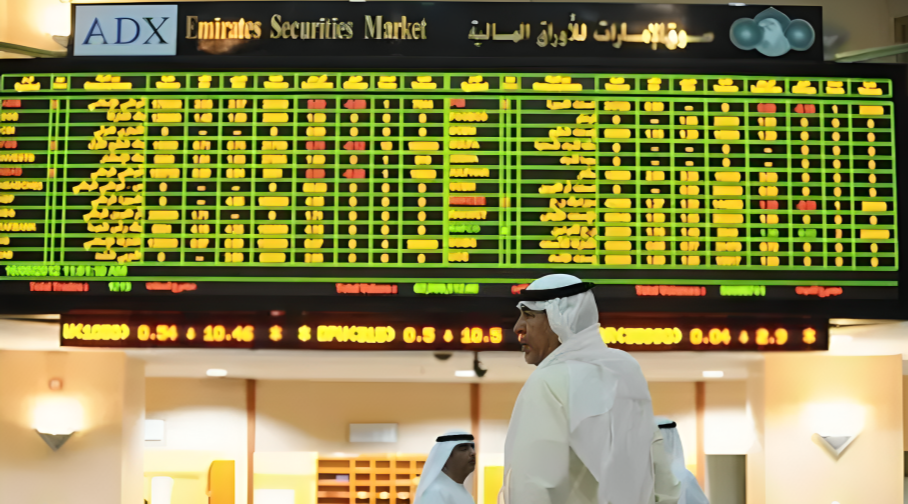
Abu Dhabi's benchmark index fell 0.9%, with nearly all constituents trading lower. First Abu Dhabi Bank , the country's largest lender, dropped 1.4%, while blue-chip developer Aldar Properties lost 1.2%.
Dubai's benchmark index slipped 0.2%, with most sectors lower. Emirates NBD declined 1.5%, while Spinneys 1961 Holding fell 3%.
Qatar's benchmark index was little changed, as a 0.8% decline in Qatar International Islamic Bank offset a 1% gain in Industries Qatar.
Saudi Arabia's benchmark eased 0.2%, weighed by materials, healthcare and utilities shares. Saudi Arabian Mining Co lost 0.7% and Arab National Bank fell 0.9%, while Saudi Aramco and National Shipping Company of Saudi Arabia gained 0.4% and 1.2%, respectively.
Saudi Aramco resumed loading oil cargoes from inside the Strait of Hormuz last week and has more tankers waiting to load as the state energy giant offers spot heavy crude cargoes, according to shipping data and trade sources.
Source: ZAWYA