
2026-08-04
Non-Hydrocarbon Sectors of Qatar Account for 65.5% of GDP: OBG Report
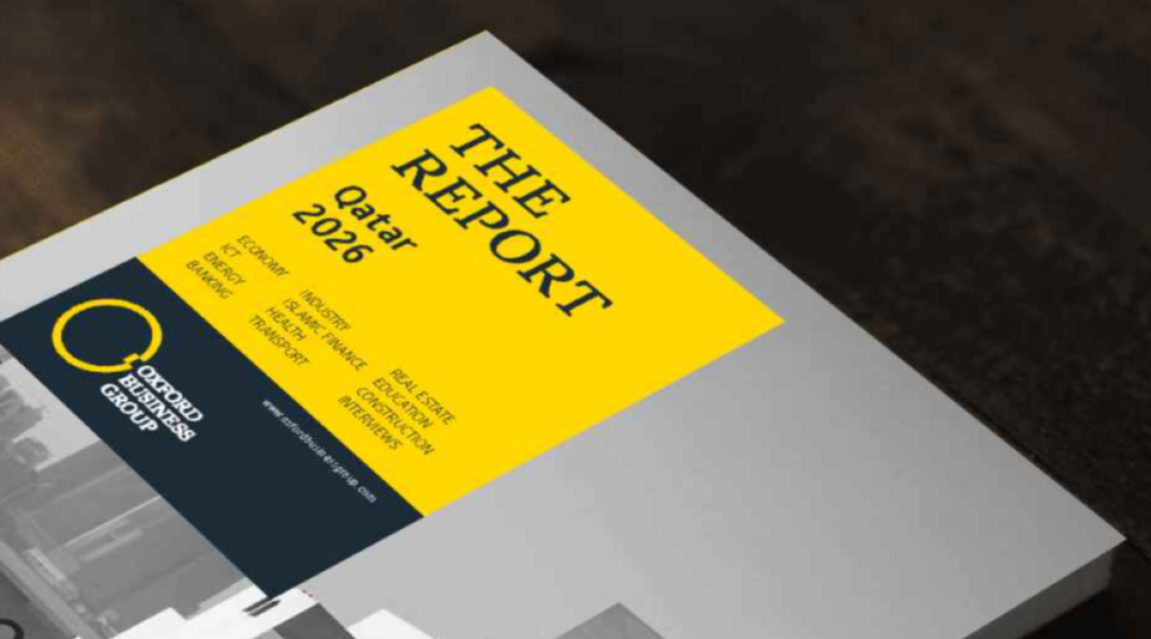
Qatar’s non-hydrocarbon sectors now account for 65.5 percent of the country’s GDP, driven by growth in construction, trade, tourism, logistics, ICT and financial services, according to the latest research publication The Report: Qatar 2026 by global advisory and research firm Oxford Business Group (OBG).
The report highlights Qatar’s continued progress in diversifying its economy under the Qatar National Vision 2030 and the Third National Development Strategy (NDS-3), with the country moving towards a more resilient and knowledge-based economic model beyond hydrocarbons.
OBG said Qatar’s strong LNG revenues, supported by one of the world’s largest sovereign wealth funds, have provided the financial strength needed to advance diversification plans while maintaining macroeconomic stability despite regional geopolitical challenges.
The report noted that NDS-3 is a key driver of this transformation, with the country targeting $100 billion in foreign direct investment (FDI) by 2030) through regulatory reforms and a $1 billion incentives programme focused on advanced industries, logistics, digital technologies and financial services.
Rising FDI inflows, continued infrastructure investment, population growth and Qatar’s strategic position as a regional trade, innovation and energy hub are strengthening its appeal as a destination for long-term investors, OBG said.
The publication also examines Qatar’s LNG expansion strategy and efforts to balance its position as a leading global gas supplier with investments in renewable energy, sustainability and energy security. It highlights how NDS-3 is helping build a more adaptive and technology-driven economy.
OBG further explores the role of digital transformation in Qatar’s economic development, including the expansion of 5G networks, cloud services, artificial intelligence solutions and enterprise digitalisation. The report also highlights the growing importance of fintech innovation, sustainable finance and capital markets in connecting Qatar with global investment opportunities.
The publication assesses Qatar’s sustainable urban development plans, including integrated urban centres, public-private partnerships and technology-enabled municipal solutions aimed at supporting future population growth.
Highlighting that Qatar has moved from strategy formulation to implementation, OBG Editor-in-Chief Oliver Cornock said, “Qatar is no longer simply talking about diversification, it is building the infrastructure, regulation and capital base to deliver it. With non-hydrocarbon sectors now approaching two-thirds of GDP and a clear $100 billion investment target in place, this is one of the most credible transformation stories in the region, backed by the fiscal firepower to see it through.”
Jana Treeck, Managing Director of OBG, said Qatar is converting its energy wealth into long-term economic resilience.
“From digital infrastructure to capital markets and urban development, the country is laying the groundwork for a private sector that can thrive well beyond the current LNG cycle, and investors are taking notice,” she said.
Source: QATAR TRIBUNE