
2026-11-04
Qatar Strengthens Arbitration Standing Through Legal Reforms and International Cooperation
Minister of Justice and Minister of State for Cabinet Affairs HE Ibrahim bin Ali Al-Muhannadi, affirmed that Qatar continues to develop its legal and legislative framework to strengthen investor confidence, provide a stable and reliable legal environment, and reinforce its position as a regional and international hub for arbitration and dispute resolution.He made these remarks during the opening of the Sixth International Arbitration Conference, held on Tuesday, under the patronage of HE Sheikh Mohammed bin Abdulrahman bin Jassim Al Thani, Prime Minister and Minister of Foreign Affairs.
Organised by the Qatar International Centre for Conciliation and Arbitration (QICCA) at Qatar Chamber under the theme “Alternative Dispute Resolution in a Changing World: From Judicial Oversight to Artificial Intelligence,” the conference brought together prominent judges, arbitrators and legal experts from around the world.
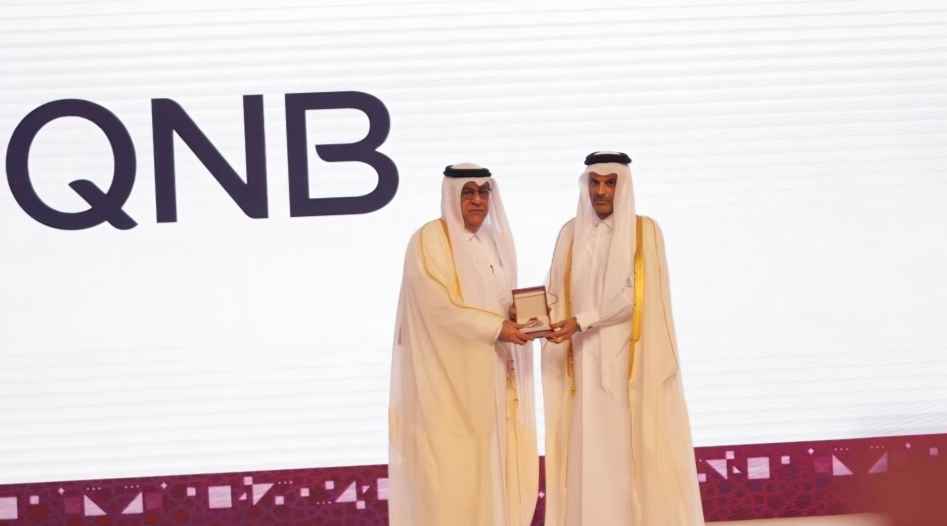
The conference was inaugurated by Al-Muhannadi in the presence of Sheikh Khalifa bin Jassim bin Mohammed Al Thani, Chairman of Qatar Chamber and Chairman of QICCA; Mohamed bin Ahmed bin Twar Al-Kuwari, First Vice Chairman of Qatar Chamber; and Sheikh Dr. Thani bin Ali Al-Thani, Vice Chairman of QICCA, along with a distinguished gathering of judges, arbitrators and legal experts.
Al-Muhannadi noted that Qatar has made significant progress in developing its legislative framework for dispute resolution through the enactment of Arbitration Law No. 2 of 2017 and Law No. 20 of 2021 on Mediation in Civil and Commercial Disputes.
These efforts have been further supported by Qatar’s accession to the New York Convention and the Singapore Convention, as well as the establishment of the Investment and Trade Court.
Together, these measures have created an integrated framework encompassing arbitration, mediation and specialised judicial mechanisms.
The Minister explained that the Ministry of Justice, as a strategic partner of the conference, is pursuing three main tracks: completing the executive frameworks of the Arbitration Law; developing the system of mediation, conciliation and arbitration while strengthening integration among these mechanisms; and leveraging digital transformation and artificial intelligence to facilitate dispute resolution procedures, subject to the necessary legal safeguards.
He noted that choosing a country as the seat of arbitration reflects the level of confidence in its legislation, judiciary and institutions. He affirmed Qatar’s commitment to strengthening this confidence through legislative stability, legal clarity and the efficient resolution of disputes.
Al-Muhannadi also commended Qatar Chamber and QICCA for organising the conference, praising the Centre’s role since its establishment in 2006 in promoting arbitration, developing national expertise and strengthening Qatar’s presence on the international arbitration map.
For his part, Sheikh Khalifa bin Jassim bin Mohammed Al Thani, Chairman of Qatar Chamber and Chairman of the Board of Directors of QICCA, emphasised that commercial justice relies on sound procedures, legal certainty and effective dispute resolution.
He highlighted arbitration as an independent system supported by the judiciary and noted the vital role of conciliation and mediation in preserving commercial relationships.
Addressing the conference theme, Sheikh Khalifa noted that the discussions covered key topics, including the complementarity between judiciary and arbitration, the scope of judicial oversight, the role of artificial intelligence in developing arbitration procedures, and women’s participation in this field.
Regarding QICCA’s role, Sheikh Khalifa highlighted the Centre’s commitment, since its establishment in 2006, to keeping pace with international best practices and developing the legal and procedural environment.
He noted that the Centre has contributed to promoting a culture of arbitration and alternative dispute resolution, while strengthening Doha’s position as a trusted destination for arbitration in accordance with the highest standards of independence, efficiency and professionalism.
He revealed that QICCA handled 132 cases over the past two years, with awards issued in more than 100 cases and an average case duration of approximately six months from the date of registration, under its arbitration rules effective from 1 January 2025.
He added that the GAR Regional Guide 2025 included QICCA among the top three arbitration centres in the Middle East and Africa.
Concluding his remarks, Sheikh Khalifa expressed hope that the conference would foster productive partnerships and contribute to the development of arbitration and alternative dispute resolution.
He thanked HE the Prime Minister for his patronage and commended the Minister of Justice and Minister of State for Cabinet Affairs for inaugurating the conference. He also expressed appreciation to all speakers, participants, supporting entities and organisers.
Source: QATAR TRIBUNE