
Saudi Arabia Takes Middle East Oil Security Strategy to Singapore As Hormuz Crisis Reshapes Energy Trade
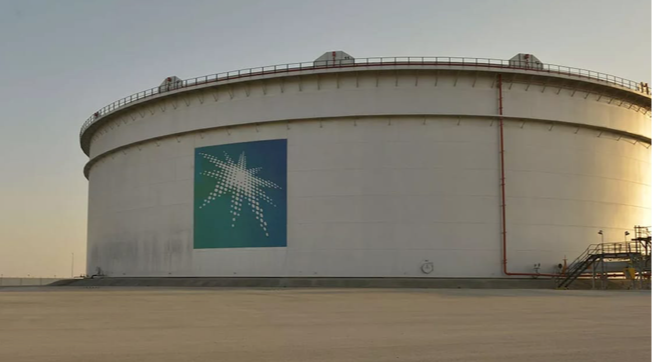
Saudi Arabia plans to store crude oil in Singapore from the second half of 2027, in a move designed to strengthen energy security across Asia following severe disruptions to oil supplies caused by the Iran conflict.
The agreement will see Saudi crude stored at Singapore’s Jurong Rock Caverns, an underground facility capable of holding millions of barrels of liquid hydrocarbons.
The initiative aims to bring supplies closer to major Asian markets while giving both countries greater flexibility in responding to potential supply shocks.
Singapore’s Minister for Energy, Trade and Industry, Tan See Leng, announced the joint intention at the Singapore International Energy Week conference.
He added that the arrangement would strengthen the resilience of Saudi Arabia’s crude oil supply chain in Southeast Asia while contributing to Singapore’s energy security and preparedness in the event of supply disruptions.
Oil giant
Saudi Aramco, the kingdom’s state-owned oil giant, is expected to sign a memorandum of understanding with Singapore’s Energy Market Authority and JTC Corporation. Negotiations are expected to conclude within the coming months.
Saudi Energy Minister Prince Abdulaziz bin Salman Al-Saud said the arrangement would improve the flexibility of the kingdom’s supply network.
“Bringing supply closer to key Asian markets would strengthen the flexibility of our supply network and support Singapore’s security of supply and preparedness,” he said in a video recording at the conference.
The move follows significant disruption to energy shipments through the Strait of Hormuz during the conflict.
Before the war, Asia sourced approximately two-thirds of its oil imports from the Middle East, leaving the region particularly exposed to interruptions along critical shipping routes.
The disruption prompted countries to draw down oil inventories and intensified concerns about the adequacy of strategic reserves, particularly among Asian economies with limited storage capacity.
Rock Caverns
Located approximately 150 metres underground on Jurong Island, the Jurong Rock Caverns can accommodate up to 1.47 million cubic metres of liquid hydrocarbons, equivalent to roughly nine million barrels of crude oil and condensate.
Saudi Aramco already operates crude storage arrangements in Japan and South Korea, where host governments have priority access to supplies in the event of an unexpected shortage.
In Japan, the storage capacity at Okinawa was expanded to 8.2 million barrels in September 2017 through an agreement with Japan Oil, Gas and Metals National Corporation.
In South Korea, Aramco signed a five-year agreement in 2023 with Korea National Oil Corporation to store 5.3 million barrels at reserve facilities in the port of Ulsan.
While China, Japan and South Korea maintain substantial oil stockpiles, many other Asian countries have considerably smaller reserves, leaving them more vulnerable to sudden supply disruptions.
