
2026-09-07
US Probes Tesla’s Steering-Wheel-Free Taxis
Federal regulators are opening an investigation into whether Tesla’s new steering-wheel-free taxis comply with safety rules, a day after the company began offering rides in the vehicles.
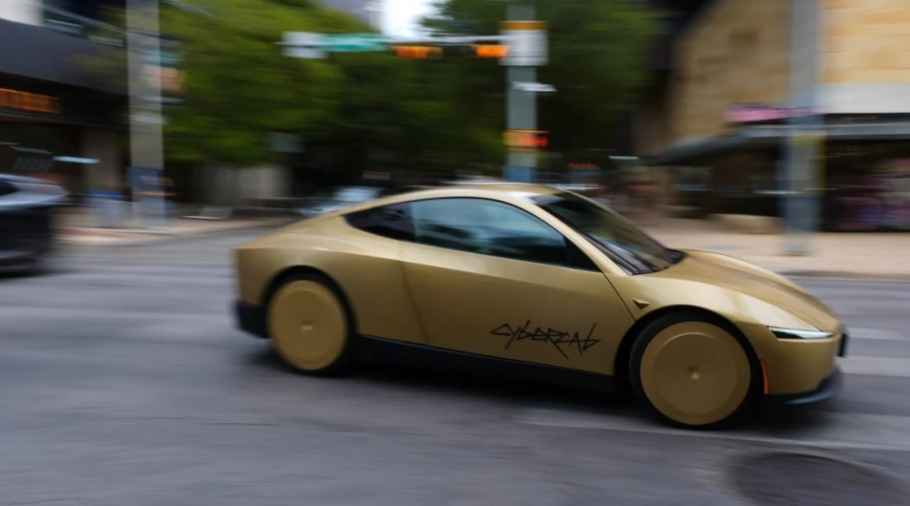
The National Highway Traffic Safety Administration said it was looking into whether Tesla was in full compliance with federal rules when it deployed so-called Cybercabs in Austin, Texas, given that the two-seat cars lack the steering wheels, mirrors and brake pedals typically required in vehicles.
The head of the company, Elon Musk, kicked off the Cybercab service in Austin on Thursday with fanfare, sending dozens of the futuristic taxis onto city streets and holding a launch event for invitees.
Tesla stock fell nearly 6% to $354.08 on Friday, reversing all its gains from a day earlier amid excitement about the launch.
Tesla did not respond to a request for comment. Before the launch, Tesla had said it relied on a self-certification process to ensure the Cybercabs complied with federal standards. But the agency is examining whether the taxis do indeed meet those standards. In its filing about the probe, it said it would conduct an audit to “examine the process and technical data” Tesla used in the certification.
Thursday’s launch of the Austin service kicked off what Musk says will be a national rollout of a cheap, driverless taxi service that he promises will transform the way people travel. Musk plans to integrate Cybercabs, which lack manual controls that passengers could use to take over in an emergency, into the company’s existing cab service, which until now has used only conventional Tesla vehicles. That robotaxi network has been operating in Austin for more than a year and has also begun offering rides in five other cities in Texas and Florida.
Automakers generally self-certify when introducing new vehicles on public roads, but a regulatory audit or investigation is not automatic. Regulators investigate only certifications they believe might violate federal rules.
Source: QATAR TRIBUNE