
2026-08-05
US Steel Production Rises As Trump Tariffs Erode Reliance on Imports
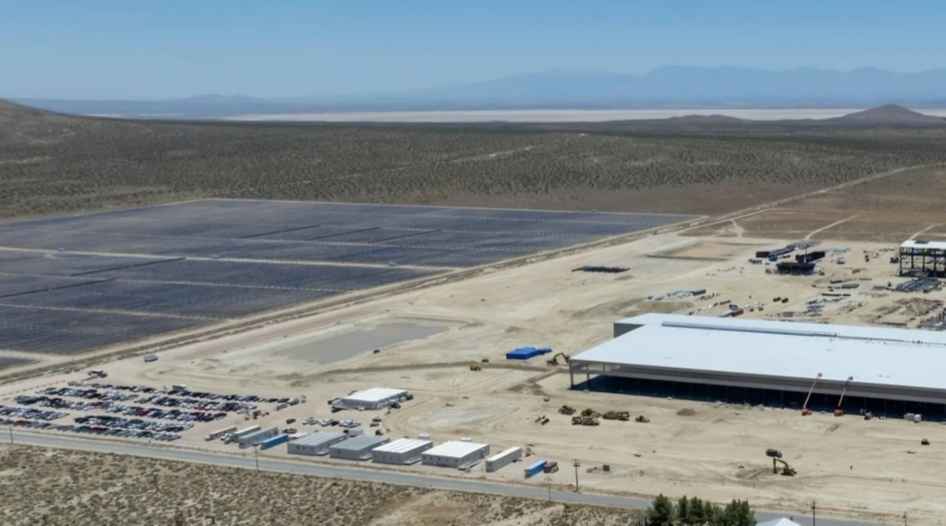
Pacific Steel Group is building California’s first new steel mill in 50 years to satisfy a backlog of orders in a hungry construction industry that has relied on imports and out-of-state shipments.
The 400-employee mill in the desert town of Mojave about 547km (340 miles) southeast of San Francisco is just one beam in a nationwide trend.
US steel production has risen about 7 per cent year to date compared with the same period of 2025, according to a BNP Paribas calculation in late July.
Crude steel production already grew 3.1 per cent last year versus 2024 to 82 million tonnes – according to the World Steel Association. The US ranked as the world’s No 3 producer after China and India last year, climbing from fourth in 2023 and 2024.
Analysts cited US President Donald Trump’s import tariffs as one reason. “US tariffs have net-helped domestic steel production,” said Vivian Yang, an analyst with market research firm Mysteel. Imports were hardly expected to compete with the Pacific Steel Group project, as the low-emission 380,000 tonne-per-year plant due to open next year already had a list of waiting rebar customers in the US construction sector, mill operations vice-president Mark Olson said.
“We’re in the construction business, so we already have a strong backlog of orders,” said Olson. His San Diego, California-based firm previously outsourced its raw material rebar from out of state, raising costs.
While Olson said demand rather than US tariffs motivated Pacific Steel Group to break ground on its mill, the duties effectively reduced the threat of foreign competition.
Trump imposed a 25 per cent steel tariff in 2018, citing protection for American manufacturers as a reason, but his successor Joe Biden lowered duties for a list of countries. However, Trump reinstated the full 25 per cent tarifflast year.
American mills, steel workers and cities that depend on steelmaking for their economy showed a “generally improved picture versus pre-2025”, Yang said.
The US, though still a net steel importer, buys relatively little from China – less than 2 per cent of all shipments received in both 2024 and 2025.
In contrast to the booming US steel sector, Chinese production has declined 2.9 per cent in 2026 so far, year on year, and its exports worldwide are 5.6 per cent lower, BNP Paribas commodities desk strategist Jason Ying said. China produced 960.8 million tonnes of crude steel last year, according to World Steel Association data.
Slowing demand for transport and housing infrastructure contributed to China’s production decline, he said. Exports slowed because of tariffs in multiple countries and a Chinese licensing scheme for shipments abroad, Ying added.
Steel imports to the US also fell about 30 per cent year on year through April, according to US Commerce Department trade data. South Korea, Canada, Brazil, Mexico and Vietnam were the top five sources in the first four months of 2026, according to the SteelData market research firm.
Since the first tariffs of 2018, about US$45 billion has been announced for investments in new or upgraded American steelmaking plants, said Kevin Dempsey, president and CEO of the American Iron and Steel Institute trade association in Washington. Imports made up 15.7 per cent of market share, the lowest since 2003, he said.
However, Chinese steel shipments compete with US exports to Mexico and Canada, the top two US markets abroad, Dempsey said. The US government reported 2025 steel exports of 6.6 million tonnes, down 18.7 per cent year on year.“Imports from outside the region going into Canada and Mexico have increased – and that has taken away some of our export sales,” he said, adding that it was one of the key issues.
Pacific Steel Group expected that its use of local California scrap for the mill would control prices compared with imports and domestic peers, Olson said.
“We’re not reliant on those tariffs and if they go away we’d still be competitive,” he said.
Source: QATAR TRIBUNE